¡Agregado a favoritos!
Saigon Highlights
Ciudad Ho Chi Minh (Phu My), Vietnam
Duración 9 hs.
- Adultos desde: $89.99 USD
- Niños desde: $69.00 USD

| Desde | Mensaje | Reserva n.° | Fecha | |
|---|---|---|---|---|
| Centro de Comunicaciones de Norwegian | Centro de Comunicaciones de Norwegian ¡No pierdas tu reserva! | 25422881 | Abr. 1, 2014 | |
| Centro de Comunicaciones de Norwegian | Centro de Comunicaciones de Norwegian Reserva tu cena ahora mismo | 25422881 | Abr. 1, 2014 | |
| Centro de Comunicaciones de Norwegian | Centro de Comunicaciones de Norwegian ¡No pierdas tu reserva! | 25422881 | Abr. 1, 2014 | |
| Centro de Comunicaciones de Norwegian | Centro de Comunicaciones de Norwegian ¡No pierdas tu reserva! | 25422881 | Abr. 1, 2014 |
*Términos y condiciones
Paquete no disponible en viajes de menos de 5 días ni en viajes chárter.
Duración 9 hs.
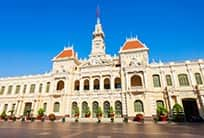
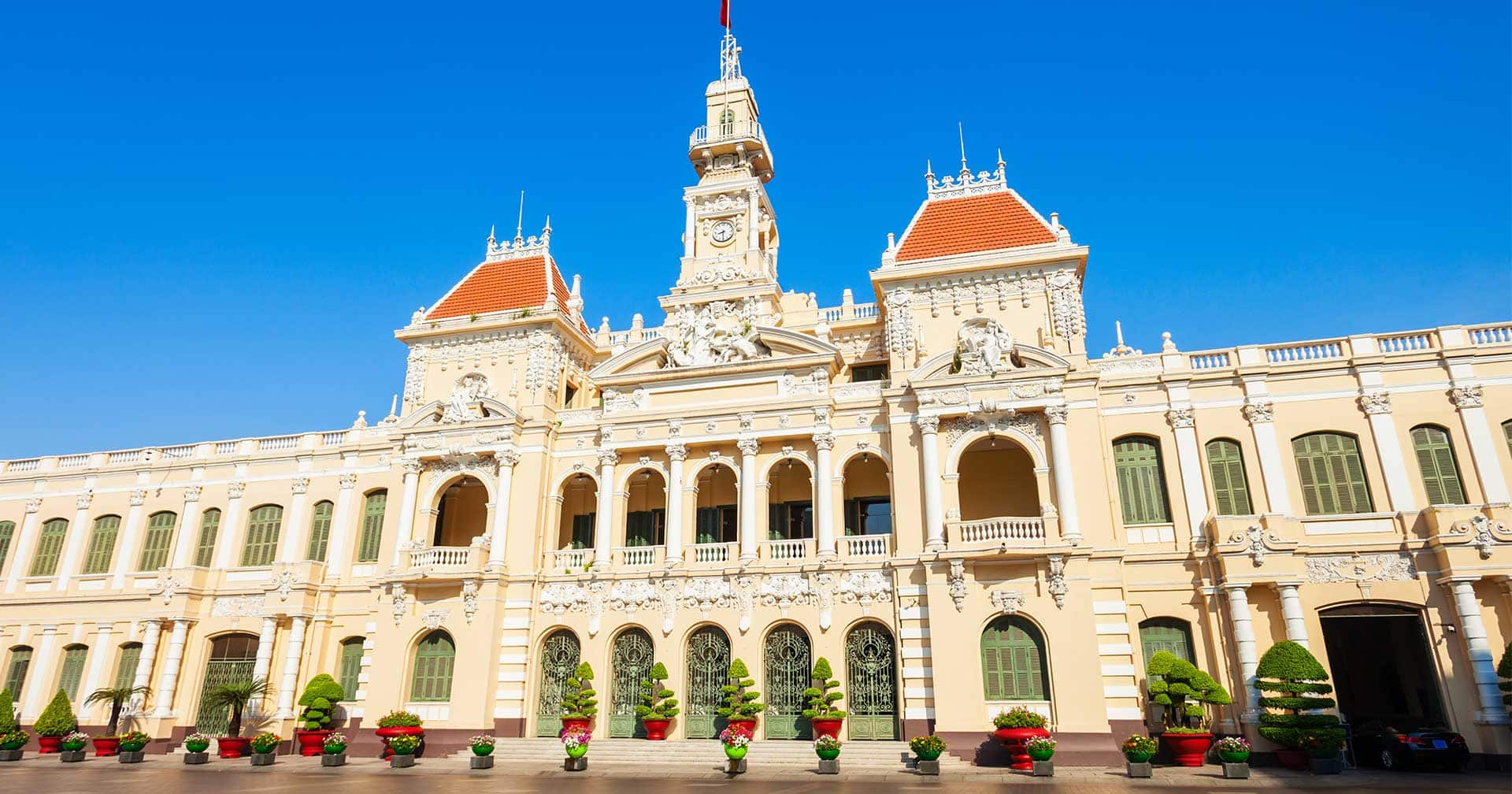
Gain an overall understanding of Saigon through landmark architecture that reflects the changing face of the metropolis known as Ho Chi Minh City since 1976. In the lively district of Cholon, you will browse the bustling Binh Tay Market and a Buddhist temple dedicated to the Chinese sea goddess Mazu. For a more contemporary perspective, you will view Independence Palace, also known as the Reunification Palace, a modernistic white building that was home to the president of South Vietnam during the Vietnam War. The Notre-Dame Cathedral Basilica of Saigon presents a glimpse into colonial life, as the French constructed it in the mid-1800s. The ornate Central Post Office is another French-built colonial gem. If not for the large portrait of Ho Chi Minh inside, you might think you were in Paris. Saigon is also known for its artisans, especially those that make lacquerware, a traditional skill that you will observe in a workshop.
menos
Duración 3 3/4 hs.
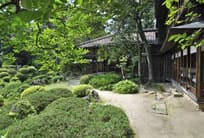
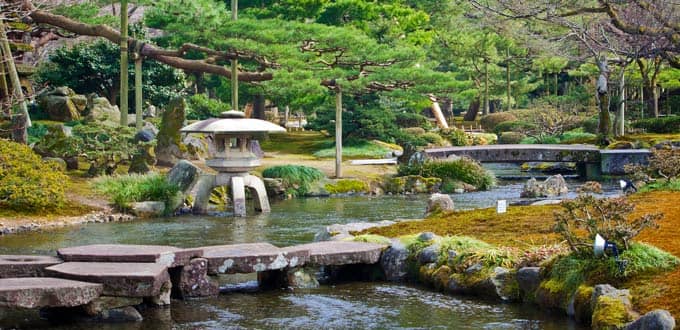
Delve into the artistic and cultural sides of Sakata by visiting three museums, each with its own special emphasis. One of the first privately owned art museums Japan, the Honma changes its exhibits every few months, but the real draws are the garden and early 19th-century villa of the prominent Honma family, where the museum was originally housed. Both are wonderfully serene. Almost the entire focus of the Domon Ken Museum is the photography of its namesake, a prolific Sakata-born photojournalist revered for the way he documented the rise of postwar Japan. Don’t miss the outdoor sculptures by Isamu Noguchi, a creative genius that also worked in media ranging from lighting to furniture. The Shonai Rice Museum is more cultural, as it is housed in several 19th-century warehouses. It collection includes farm tools and exhibits detailing the history of rice cultivation. The zelkova trees surrounding the museum have become a symbol of Sakata.
Duración 9 hs.
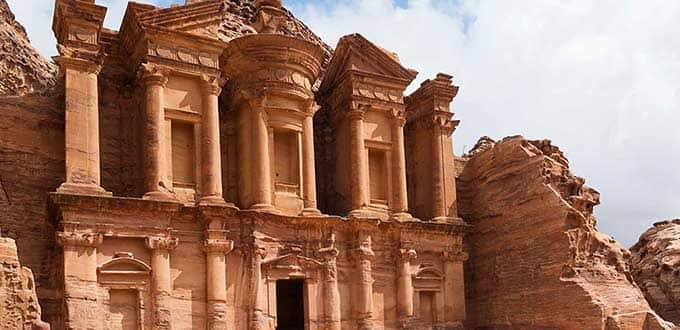
Explore magnificent Petra, the ancient Nabataean caravan-city ideally situated between the Red and Dead Seas. Inhabited since prehistoric times, this area was an important crossroads between Arabia, Egypt and Syria-Phoenicia. The Nabataeans transformed the forbidding desert into a bustling metropolis with magnificent buildings carved directly into the rose-hued sandstone hills and a complex system of water channels and reservoirs.
Camel caravans passed through, loaded with spices, textiles and incense from distant regions and the city of Petra flourished, until a massive earthquake left the freestanding structures in ruins. Travel deep within the deserts of Jordan for approximately two hours, to Wadi Musa, the gateway to Petra. Upon arrival, walk to the impressive entrance of Petra, a stunning narrow gorge formed from a deep split in the sandstone rocks.
Your first view of this amazing city is its most elaborate ruin and fabled achievement, the Treasury, hewn directly out of the red sandstone cliff. Used as a backdrop in the movie, Indiana Jones and the Last Crusade, enjoy time to explore the Treasury and the Outer Siq, leading to immense tombs, facades and doorways cut in the steep passage walls. Enjoy a late buffet style lunch at a local hotel before returning to Aqaba and your ship.
Duración 4 hs.
OVERVIEW
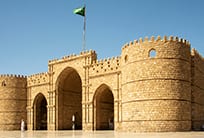
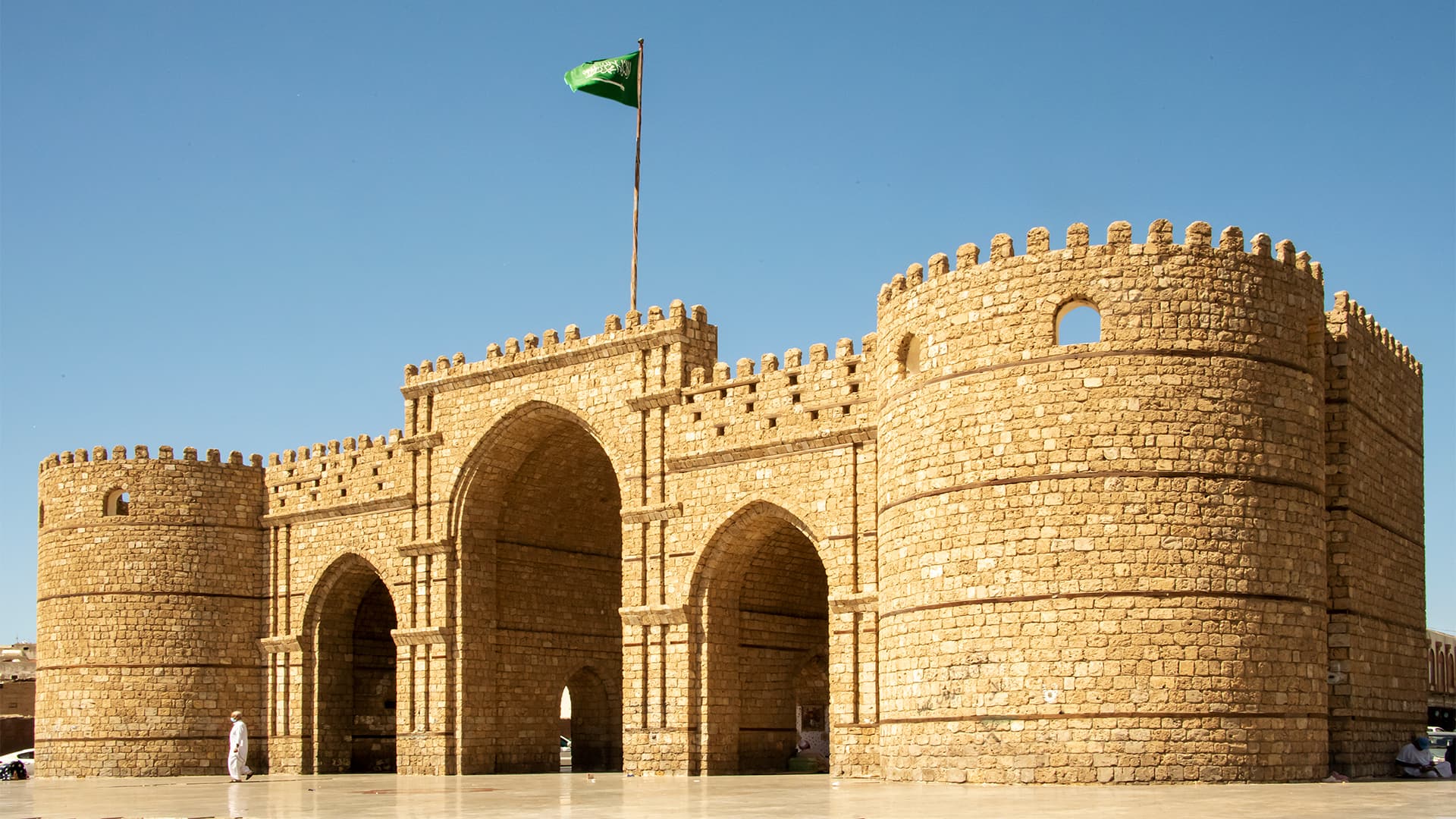
Discover the historical importance of Jeddah while walking through its Old Town on the eastern shore of the Red Sea. That strategic location fueled Jeddah’s growth beginning in the 7th century, as it became the primary port for goods sent inland to Mecca. Countless pilgrims also passed through Jeddah and over time the city reflected the Red Sea architecture of the time. Because hundreds of those buildings, particularly tower houses constructed for wealthy merchants, have been preserved, UNESCO declared the Old Town a World Heritage site. You will not only see block after block of these historical houses and others made from coral stone, but also browse the interior of one of them. To enhance the experience, you will be served a cup of traditional Arabic coffee and fresh dates. Afterwards, you will browse a bustling souq in Old Town and enjoy time to explore further independently.
HIGHLIGHTS
• See the well-preserved architecture that earned Jeddah a UNESCO World Heritage site designation.
• Meander through the interior of one of the historically important tower houses in Old Town.
• Gain an understanding of Jeddah’s significance as a major trading port starting in the 7th century.
• Browse a souq in the heart of Old Town and spend free time exploring the area nearby.
HELPFUL HINTS
• Dress conservatively when going ashore.
• Wear sun protection and bring bottled water.
• Wear flat comfortable walking shoes.
Duración 7 1/2 hs.
OVERVIEW
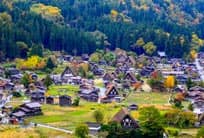
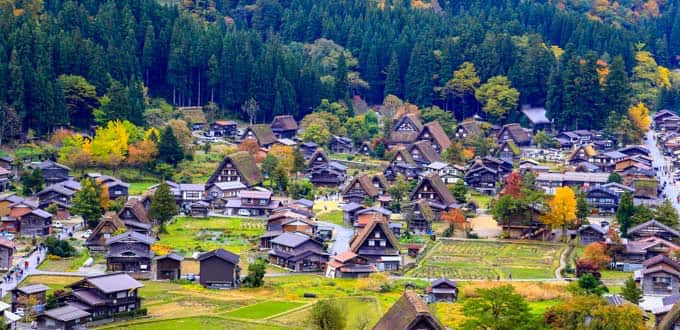
Behold the architecture in two isolated villages that UNESCO found so unusual that it deemed them World Heritage sites. The villages of Shirakawago and Gokayama are in the remote Shogawa River Valley surrounded by high rugged mountains, a location that made them difficult to access for centuries. To cope with the abundance of snow that falls there, the residents constructed farmhouses with steeply pitched thatched roofs to reduce the amount of snow that accumulates on them. The roof design also allows for large attics, in which the residents rear silkworms, which they feed leaves from the surrounding mulberry trees. Only one other nearby village boasts this type of architecture known as gassho-zukuri, a style that means “constructed like hands in prayer.” Following free time in both villages, you will watch a demonstration of paper-making in Gokayama. The specialized washi paper is exceptionally colorful and patterned. The fiber for it comes from mulberry trees.
HIGHLIGHTS
• Visit two villages that UNESCO declared World Heritage sites for their architecture.
• Gain an understanding of why the buildings have such steep roofs.
• Explore the areas of most interest to you during free time in both villages.
• See how durable washi paper used for arts, crafts and writing is made from mulberry bark.
HELPFUL HINTS
• Dress in weather-appropriate clothing.
• Wear flat comfortable walking shoes.
Duración 8 1/2 hs.
Experience Oman's unique blend of historic and contemporary sites when you visit Nakhl Fort and Springs, the Bait Al Zubair Museum, as well as other city highlights.
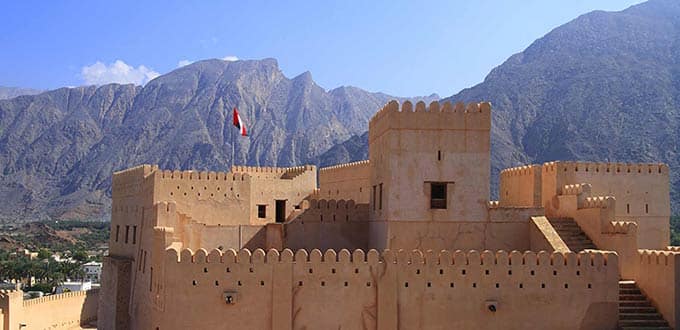
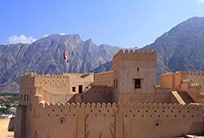
A drive along the Batinah Coast takes you to the centuries-old Nakhl Fort, perched on a 200-foot high hilltop with spectacular views of the surrounding oasis. This impressive pre-Islamic fortress was the stronghold of the well-known Bani Kharous tribe during Medieval times, and offers a unique look into Oman's past. You'll then visit Nakhl Springs, a tranquil and picturesque area framed by majestic mountains and a dense green oasis.
Stop for photos at the Zawawi Mosque, Oman's most exquisite mosque and at the splendid Al Alam Palace, which offers scenic vistas overlooking Muscat Bay. Visit Bait Al Zubair, a private museum housing collections of traditional Omani items that include weaponry, jewelry, clothing, household items and more. You’ll enjoy lunch at a local hotel during the day.
A day in Muscat is not complete, until you visit the colorful Muttrah Souq, where the scent of exotic Arabian perfumes and spices fills the air. Here, a multitude of shops offer Omani daggers, or khanjars, as well as handmade Omani costumes, antiques, silver jewelry and a variety of handicrafts.
Duración 8 1/2 hs.
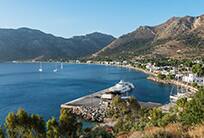
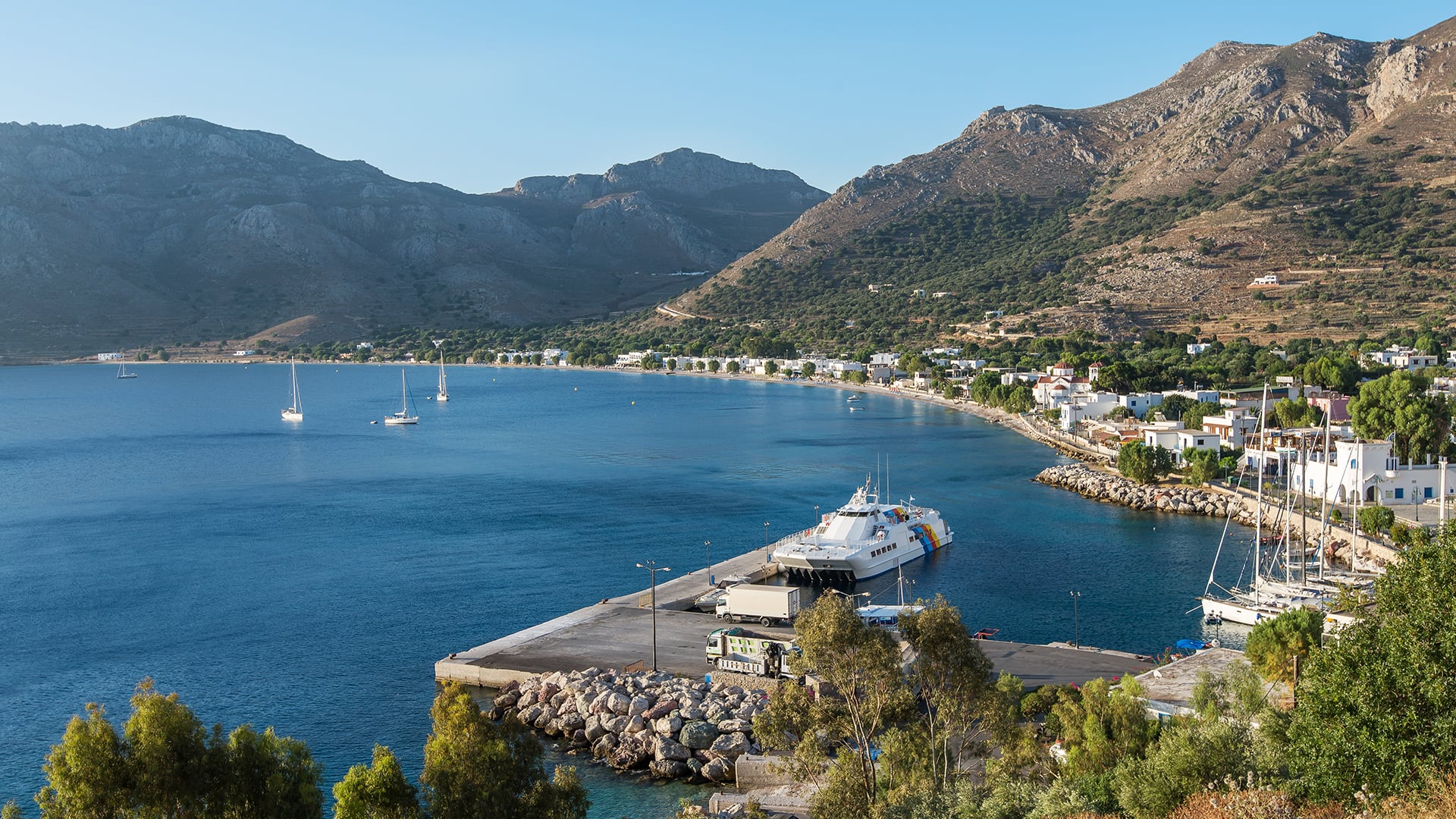
See the innovative solar and wind installations on Tilos that made it the first island in the Mediterranean to be fully powered by green energy. A ferry will bring you to the island, where you will see the hybrid power station that stores the renewable energy in batteries. Although Tilos is small with only about 500 residents, it has made a huge impact in encouraging other places to follow its lead in sustainable energy. You will meet the mayor and other officials that supported the project from the beginning and learn how they ensured its success. Tilos once bought its oil-based electricity from the nearby island of Kos; it now plans to sell its excess green energy back to Kos. Being completely powered by renewable energy has allowed Tilos to become more self-sufficient, have greater stability and make a smaller ecological footprint.
HIGHLIGHTS
• See how Tilos became the first island in the Mediterranean fully powered by green energy.
• Visit the solar and wind power station that supplies the island’s renewable energy.
• Talk to the mayor and other officials that helped Tilos develop its sustainable energy plan.
HELPFUL HINTS
• Dress in weather-appropriate clothing.
• Wear flat comfortable walking shoes.
Duración 4 1/2 hs.
The dynamic city of Hong Kong is boisterous, bustling, modern, exciting, vibrant, mysterious, entertaining, tempting and above all, enigmatic. This tour introduces you to the secrets of Hong Kong, where ancient traditions flourish side-by-side with an ultramodern city.
Drive to Hong Kong Island where you’ll take the Peak Tram for an exciting ascent to the top. Enjoy magnificent views of the city and harbor from this vantage point.
Your scenic drive heads towards the south end of Hong Kong Island. Pause for photos at, Repulse Bay, one of Hong Kong’s most beautiful and popular beaches. Visit the renowned floating village of Aberdeen for a memorable experience. Even though commercial towers and factories have engulfed this district in recent years, Aberdeen still maintains the characteristics of a traditional fishing village. Here, you’ll take the sampan - a wooden small boat, to zigzag along the small alleys of the village to have a close-look of the boat community.
Stop to visit HK's largest jewelry factory, where artists are at work to create some of the best winning designs using precious & semi-precious stones. Pass chic Wan Chai and the impressive financial district before returning to Kowloon and the ship.
Duración 4 hs.
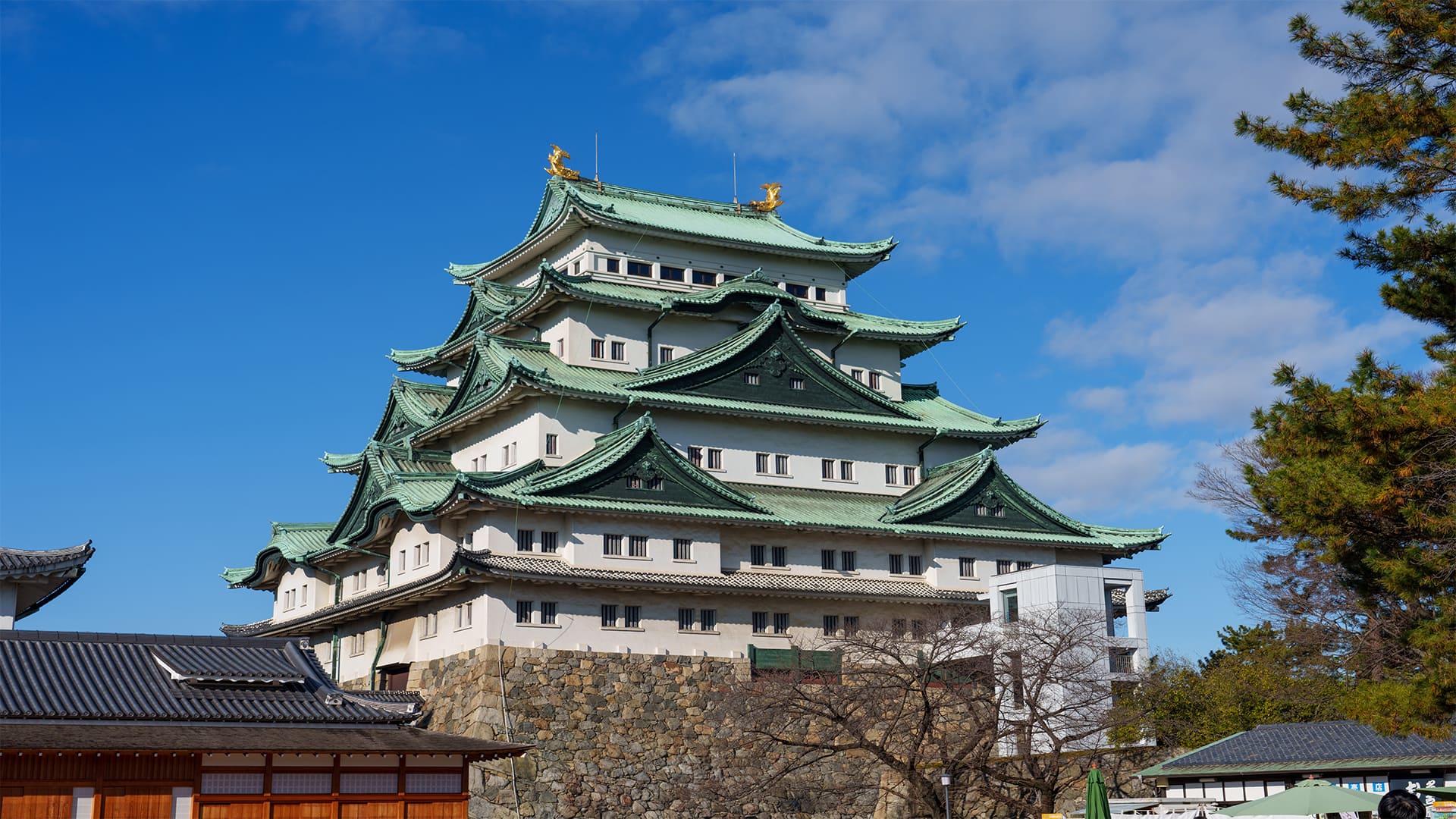
Visit Nagoya’s iconic namesake castle and an ornate temple dedicated to Kannon, the goddess of mercy. Ieyasu Tokugawa, the first shogun of the Edo Period, ordered the castle’s construction in 1612 to secure the strategically important Tokaido Road. One of the largest castles in Japan, most of its buildings were destroyed during World War II. It was later meticulously reconstructed to resemble the original building, and as you will see it is magnificent. Tokugawa was also instrumental in the placement of Osu Kannon Temple, as he had it moved to its present location in the early 17th century.
As beautiful as the building is, the temple is more well known for its library of 15,000 Japanese and Chinese texts, the most valuable being the oldest handwritten copy of Japan’s early history. You will also have the chance to shop in a nearby arcade, where you will find merchandise ranging from exquisite kimonos to the latest electronics.
Duración 3 1/2 hs.
Visit two of the must see spots in Nagasaki with vivid reminders of the continuous threat of nuclear destruction.
Shaped like an amphitheater, with crooked streets and tiered houses clinging to the hillsides, Nagasaki is one of Japans most charming cities. Nagasaki natural beauty includes tempting hot spring resorts and the astounding presence of active volcanoes. At first glance, the city appears to be very modern, having been rebuilt since 1945. However, your drive through the city will reveal a number of areas where old buildings, secluded gardens and temples remain.
Visit Nagasaki’s Peace Park, commemorating the city’s destruction by the plutonium bomb dropped on August 9, 1945. Although Fat Man, the name given to the second bomb dropped on Japan, missed its target by over a mile and a half, it leveled nearly half the city. The park’s main attraction is its collection of statues and sculptures donated by countries and groups all over the world. This includes the massive Peace Memorial Statue depicting a man with his right arm pointing to the sky to indicate the continued threat of nuclear destruction.
You’ll also visit the Atomic Bomb Museum, with over 900 artifacts indicative of the city’s devastation, as well as displays on modern nuclear technology and concerns. As you browse the displays, you will learn about the city’s culture before the bomb struck and the aftermath of the atomic blast. You can expect to see photographs of the widespread destruction to buildings such as the Urakami Cathedral and neighborhoods that were reduced to ruins. The museum’s goal is to candidly show the devastation from the atomic bomb in hopes that nuclear weapons will eventually be abolished.
Duración 9 hs.
Explore a vast underground network of tunnels that hid and protected thousands of Viet Cong troops during the Vietnam War. The section that you will tour lies beneath the Cu Chi district in the countryside north of Ho Chi Minh City. Communist forces began digging the tunnels in the late 1948, when they were fighting the French for independence. As you will discover, the tunnels span thousands of miles and once hid an underground city of sorts with living quarters, smokeless kitchens, hospitals and schools. The tunnels were typically five feet high and not even three feet wide, with air passages to the surface camouflaged to look like natural holes from tree roots or animals. The tunnels that you will traverse have been expanded somewhat for safety and convenience. Digging the tunnels was an incredibly arduous and time-consuming endeavor, as they were often dug by hand. Before abandoning them, the Viet Cong left booby traps for the invading troops.
menos
Duración 4 hs.
Gain a greater understanding of life in Hakodate by visiting a thriving marketplace, riding the tram to the city’s highest point, and strolling through a historic neighborhood. Travel through the picturesque streets of Hakodate, one of the first ports that opened to foreign trade following Japan’s period of self-isolation. Stop at the Morning Market, which spans nearly four city blocks. The marketplace is a wonderful place to observe daily life, as the locals bustle among hundreds of stalls, most featuring fresh seafood. You can expect to see familiar items such as squid, salmon roe and Atka mackerel, as well as more unusual ingredients like jellyfish, fermented carp and barnacles. Locals also come here for fruit, spices and domburi rice bowls. Board an aerial tram that will carry you nearly a half mile to the summit of forested Mount Hakodate, an extinct volcano. The views along the way and from the top of the mountain, weather permitting, will be spectacular. As you approach, be sure to notice the mountain’s shape, which resembles a “cow lying down,” the mountain’s odd nickname. You will also have the opportunity to stroll the streets of Motomachi, a district at the foot of the mountains where most foreigners lived after Hakodate was opened to the west in 1854. Architectural highlights include a Russian Orthodox church and the former British consulate
*Los precios varían por barco y fecha de partida. Ver Términos y condiciones
NCL coordina las excursiones en tierra para los huéspedes con el único fin de asegurar su comodidad. Bajo ninguna circunstancia representa o supervisa a las partes o personas propietarias, organizadoras o ejecutoras de dichas excursiones, ya que estas son llevadas a cabo por contratistas independientes. NCL no asume responsabilidad alguna ni garantiza la calidad del servicio prestado por los proveedores de excursiones; el huésped acepta que NCL no será responsable de las pérdidas o daños que puedan surgir de los actos o las omisiones del proveedor.
La participación en actividades y excursiones puede implicar un esfuerzo físico, por lo que puede ser potencialmente peligroso. Es responsabilidad de cada persona determinar si es capaz de realizar alguna actividad. La participación en cualquier actividad o excursión queda bajo la responsabilidad del huésped.
Las fotografías son solo para fines ilustrativos y se utilizan para representar la experiencia de la excursión y es posible que no reflejen con precisión la excursión, el lugar o la actividad indicada.
Nuestras excursiones en tierra para grupos se ofrecen en inglés. Dependiendo de la situación de la reserva, también se ofrecen varias excursiones en alemán, español, francés, italiano o ruso (cantidad mínima de 30 participantes). Los tours que ofrecemos pueden variar de un crucero a otro. Consulta la información detallada de tu excursión en tierra a bordo.