


Cruise Tips for Alaska Weather: Month by Month
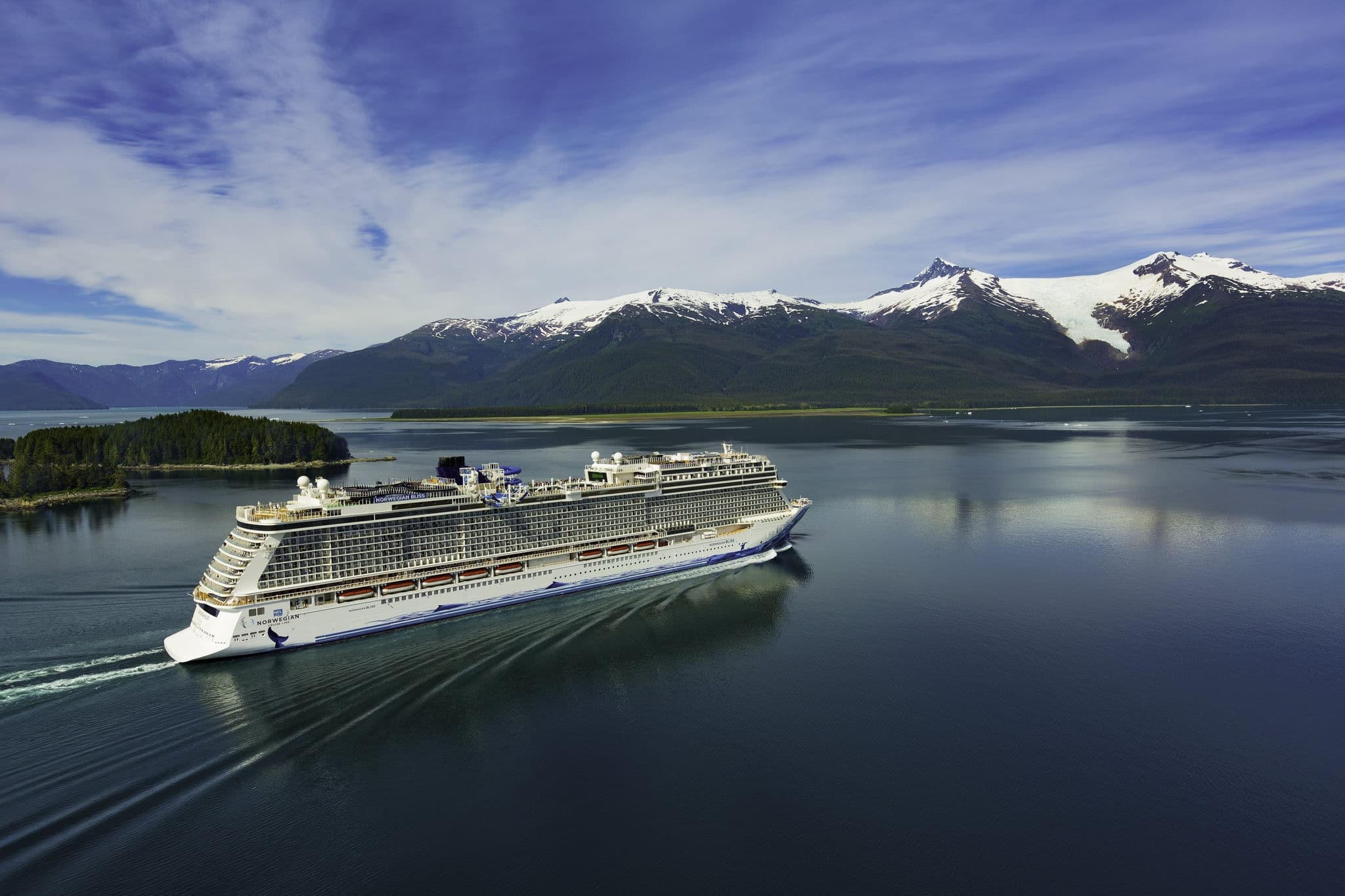
Alaska is among the cooler options for a cruise vacation. The weather here typically peaks in the low to mid-60s. You'll experience a lot of cloudy days at best, with extreme rainfall possible nearly any time.
Knowing what to expect will help you plan for Alaska's weather like a pro, so you can get the most out of your cruise vacation in any season.
Ready to start planning? Explore all Alaska cruises.
When is the Best Time to Take an Alaskan Cruise
The best time to take an Alaskan cruise depends on what you want to get from your adventure. Each season has its own pros and cons, from peak wildlife viewing in summer to bargain cruise prices around the shoulder of the cruise season. There's no bad time to sail to Alaska. You simply need to know what to expect so you can target the prime weeks for your travel.
Prepare for Fluctuations at Sea
The weather in Alaska is notoriously unpredictable. While you can gather some general information about averages during your trip, you should prepare for fluctuations. This is especially true during days at sea. Weather is more unpredictable on the water and when you're near glaciers. Most Alaska cruises include at least two days at sea. Many sail past scenic Dawes Glacier. Review your itinerary and make sure you're prepared for unexpected weather on these days, especially if you plan to be outdoors.
If you prefer to hunker down inside while you're at sea, there is plenty to do aboard. Norwegian Cruise Line's ships are packed with options that will keep you off the deck if you prefer to steer clear of misty mornings, chilly winds, and potential showers. You'll need fewer layers and less outerwear if you plan to spend your day in the arcade or casino. Kids can enjoy indoor comforts in their own themed clubs, like the Splash Academy for kids ages three to 12 or Entourage for teens ages 13 to 17.
Consider Your Cruise Ports
On a 7- to 9-day cruise in Alaska, you can expect to stop at several cruise ports along the state's coast. Every itinerary is different, so pack accordingly for both the weather and your shore excursions.
Haines and Skagway
Haines and Skagway are drier and warmer than most other Alaskan cruise ports. Haines sits at the entrance to the Inside Passage, while Skagway is tucked further north. The promising weather makes these ports an ideal choice for outdoor adventures. However, you can also sit back and relax in the controlled comforts of the White Pass & Yukon Railway.
Ketchikan
Ketchikan is one of the wettest cruise ports, with heavy rainfall throughout the cruise season. It's not uncommon to experience constant drizzle throughout the day. Rain gear is essential if you're making this stop. Choose a durable yet comfortable jacket so you can stay comfortable and dry as you go to lumberjack shows, crab fishing tours, and rainforest expeditions.
Juneau
Juneau is often considered "Alaska's peak experience," making it a must-see if this is your first time in the state. This is where you'll find Mendenhall Glacier, visible via a catamaran cruise, helicopter tour, or hike. Whale watching is popular in Juneau, too. If you're headed onto the water, pack extra layers with a waterproof shell on top. While summer is slightly drier, you should plan for cloud cover and a cool ocean breeze in any season.
Icy Strait Point
The weather in Icy Strait Point is similar to Juneau. Pack your adventure gear here and prepare to experience Alaska in new ways. You can take a backcountry Jeep adventure, ride the largest and longest zipline in the world, tour the remote Chichagof Island by ATV, or hike down abandoned logging roads.
Sitka
Like other southeastern ports, Sitka is often cloudy and drizzly. This island community is believed to be the first and oldest in the state of Alaska. Sea otters and bears are especially abundant, making this a popular destination for wildlife adventures. Comfortable shoes are essential for any type of hike.
In this climate, waterproof hiking boots are a wise choice. If you'd rather stay warm and dry, you might focus your visit on Sitka's foodie culture. On the Sitka Culinary Adventure, you'll sample brews made with glacial water, chocolates flavored with Alaska's sea salt, and other unique local specialties.
Hubbard Glacier
Near Hubbard Glacier, the weather feels even colder. Wind and ice melt create a damp, chilly environment. You can also expect heavy rainfall. Hubbard Glacier averages 135 inches of precipitation a year. Add waterproof gloves to your packing list for this stop to help combat the damp and cold.
Kodiak
Kodiak has a cool maritime climate, with an average high of 63 degrees in August. Temperatures are cooler the rest of the year. There's ample rainfall, particularly in September. Near the water, you'll often experience cool, windy conditions. A windproof jacket is a welcome addition to your wardrobe if you're venturing outside.
Whittier
Situated in Prince William Sound and surrounded by mountains, Whittier is often damp and foggy. By land, the town is only accessible via the two-mile Anton Anderson Memorial Tunnel. Alaskan cruises often travel between Whittier and Vancouver. If you plan to spend much time in the town, plan for cool temperatures and an extremely wet climate.
Plan for Cruise Tours
Norwegian offers cruise tours that add Fairbanks, Anchorage, and Denali to your itinerary. If you book your cruise with these land tours, you'll typically spend the first five or six days of your vacation inland, enjoying organized tours and transportation prior to embarkation. Cruise tours are a great way to enhance your experience in Alaska. In many cases, you'll enjoy transportation from the airport to your hotel in Fairbanks, a full day in Fairbanks, a day in Denali National Park, a day in Anchorage, and finally transportation to Whittier, Alaska, where you'll board your cruise.
If you're including a cruise tour in your vacation, you'll want to plan for the inland weather at your daily destinations. The average high temperatures in Fairbanks are several degrees higher than in Anchorage or Denali Park from May through July. Land tours in Alaska typically include a combination of walking and railroad travel, so you should bring comfortable shoes and clothing with lightweight layers.
Know Your Cruise Season
Alaska's highlights center largely around its wildlife, so it's important to understand what animals are active during your visit. Weather plays a big role in determining which creatures are out when. If you have your heart set on whale watching, salmon fishing, or bear sightings, plan accordingly so you don't miss your opportunity.
April
April is the beginning of the cruise season in Alaska, with the earliest trips typically departing late in the month. There are fewer itineraries available at this time because things are just kicking off where Alaskan tourism is concerned. This is one of the drier months for the state, but you'll still find cloudy skies, light showers, and plentiful fog. You'll have between 11 and 13 hours of daylight at this time of year, which keeps temps lower. Highs are typically in the 40s and 50s, so you'll want to plan for a cool visit.
May
In May, you're starting to dip into peak tourist season, but it's early enough to get some great deals on your cruise. The chance of rain stays low. You'll get far more daylight, with around 17 hours in southeast Alaska ports like Skagway, Ketchikan, and Juneau. The days are even longer if you continue further north toward Anchorage. While highs may climb into the mid-50s, you should still plan to pack for cool temperatures. Winds are especially chilly on the water during the season's popular whale watching tours.
June
June offers some of the best weather in Alaska. Things are much drier, and temperatures may climb into the low to mid-60s in areas like Anchorage, Skagway, Juneau, and Ketchikan. Fairbanks even sees an average high of 72 degrees, making this one of the best times of the year for a cruisetour. You'll get an average of 19 hours of daylight this time of the year. Prices start to climb as you near peak cruise season for Alaska, but you can still get some good deals.
July
July is the best time for mild temperatures in Alaska. However, this is also the start of the rainy season. Like May, you'll find about 17 hours of daylight, which helps things to stay a bit warmer. July is prime season for salmon runs. If you're going on a fishing excursion, plan to have waterproof pants along with your waterproof jacket. Even when daily highs are peaking in the mid-60s, lows can dip into the low 50s, leaving you a bit chilled if you get wet.
August
Rainy weather continues to ramp up in August. You should expect to see wet skies for at least half of your cruise if you're travelling during this time. Shore excursions may get washed out if you're dependent on dry weather. Museums, city tours, and cultural excursions are your best bet, though you'd be remiss not to attempt some outdoor adventures in Alaska's stunning landscape. Bears and bald eagles are still in full view this month. As daylight diminishes, cruise prices drop, making this a more affordable time to visit.
September
September is one of the wettest months of the cruise season in Alaska, so you'll want to pack as many waterproof items as you can. Temperatures drop noticeably, with highs in the 50s in most places. Daylight hours decrease to just 12. Layers are your best friend this time of the year. Where a lighter jacket may suffice in the summer, you'll want either a mid-weight option or a thick fleece you can add underneath to ward off the chill.
October
October is the end of Alaska's cruise season. You can find some great deals this time of the year, but you'll also have colder temperatures and just 10 or 11 hours of daylight. The farther north you travel, the darker it gets. You'll see noticeably less wildlife this time of year, but you'll have the same experience at dining and cultural establishments. An October cruise is similar to a May or April sailing. Pack cozy clothing, and you can still have an enjoyable time.
Book Your Alaska Cruise and Start Planning Now
Alaska's rugged shorelines, breathtaking scenery, and stunning wildlife promise an unforgettable cruise experience any time. If you're ready to add this bucket-list destination to your calendar, check out Norwegian's cruise itineraries to Alaska and secure your spot on an incredible Alaskan cruise now.
FAQs About Alaska Cruise Weather
Is it cold on an Alaska cruise?
Temperatures typically range from 50°F to 70°F, but it can feel colder with wind and rain.
Does it rain a lot on Alaska cruises?
Yes, rain is common, especially in coastal areas, so waterproof gear is essential.
Can you see glaciers in bad weather?
Yes, glaciers are visible in most conditions, and cloudy weather can enhance the dramatic scenery.
What is the warmest month for an Alaska cruise?
July is usually the warmest month, with longer daylight hours and milder temperatures.


