Added to Favourites!
World Heritage Sites Shirakawago & Gokayama
Kanazawa, Japan
Duration 7 1/2 hrs
- Adult from: C420.63 CAD
- Child from: C154.22 CAD

| From | Message | Reservation # | Date | |
|---|---|---|---|---|
| Norwegian Communications Centre | Norwegian Communications Centre Don’t Lose Your Reservation! | 25422881 | Apr 1, 2014 | |
| Norwegian Communications Centre | Norwegian Communications Centre Reserve your dining now | 25422881 | Apr 1, 2014 | |
| Norwegian Communications Centre | Norwegian Communications Centre Don’t Lose Your Reservation! | 25422881 | Apr 1, 2014 | |
| Norwegian Communications Centre | Norwegian Communications Centre Don’t Lose Your Reservation! | 25422881 | Apr 1, 2014 |
*Terms & Conditions
Package not available on sailings less than 5 days or charter sailings.
Duration 7 1/2 hrs
OVERVIEW
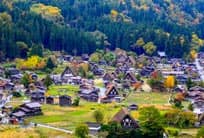
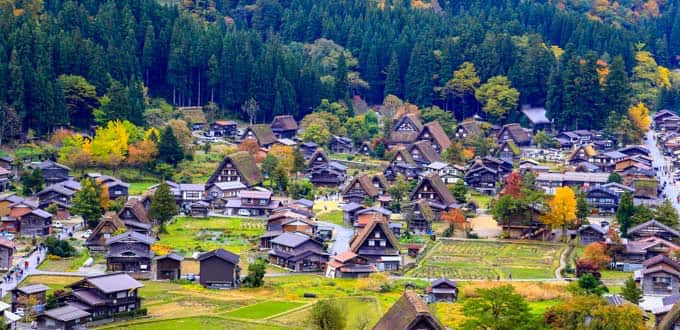
Behold the architecture in two isolated villages that UNESCO found so unusual that it deemed them World Heritage sites. The villages of Shirakawago and Gokayama are in the remote Shogawa River Valley surrounded by high rugged mountains, a location that made them difficult to access for centuries. To cope with the abundance of snow that falls there, the residents constructed farmhouses with steeply pitched thatched roofs to reduce the amount of snow that accumulates on them. The roof design also allows for large attics, in which the residents rear silkworms, which they feed leaves from the surrounding mulberry trees. Only one other nearby village boasts this type of architecture known as gassho-zukuri, a style that means “constructed like hands in prayer.” Following free time in both villages, you will watch a demonstration of paper-making in Gokayama. The specialized washi paper is exceptionally colorful and patterned. The fiber for it comes from mulberry trees.
HIGHLIGHTS
• Visit two villages that UNESCO declared World Heritage sites for their architecture.
• Gain an understanding of why the buildings have such steep roofs.
• Explore the areas of most interest to you during free time in both villages.
• See how durable washi paper used for arts, crafts and writing is made from mulberry bark.
HELPFUL HINTS
• Dress in weather-appropriate clothing.
• Wear flat comfortable walking shoes.
Duration 9 hrs
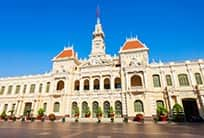
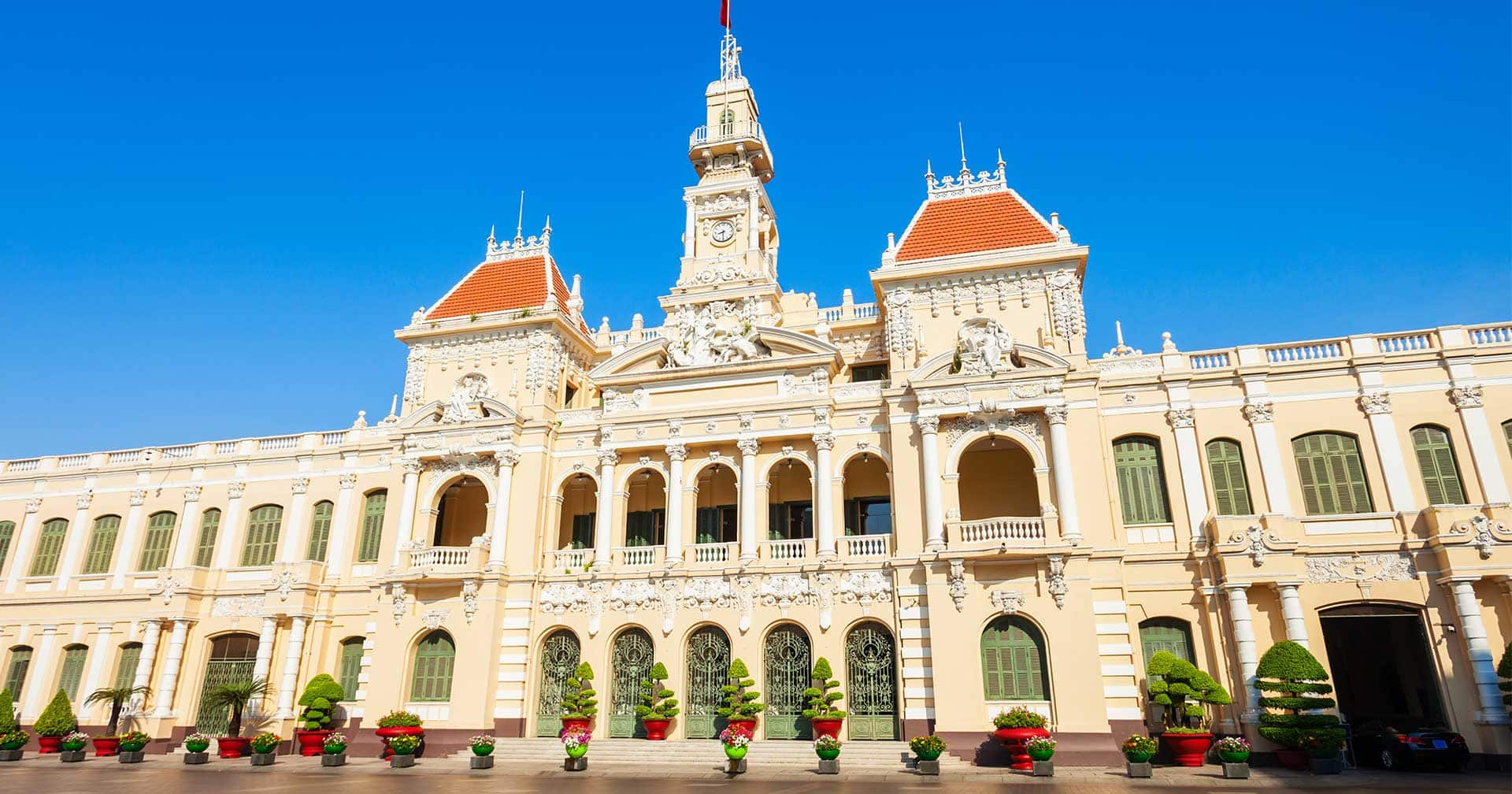
Gain an overall understanding of Saigon through landmark architecture that reflects the changing face of the metropolis known as Ho Chi Minh City since 1976. In the lively district of Cholon, you will browse the bustling Binh Tay Market and a Buddhist temple dedicated to the Chinese sea goddess Mazu. For a more contemporary perspective, you will view Independence Palace, also known as the Reunification Palace, a modernistic white building that was home to the president of South Vietnam during the Vietnam War. The Notre-Dame Cathedral Basilica of Saigon presents a glimpse into colonial life, as the French constructed it in the mid-1800s. The ornate Central Post Office is another French-built colonial gem. If not for the large portrait of Ho Chi Minh inside, you might think you were in Paris. Saigon is also known for its artisans, especially those that make lacquerware, a traditional skill that you will observe in a workshop.
less
Duration 3 3/4 hrs
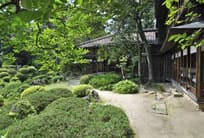
Delve into the artistic and cultural sides of Sakata by visiting three museums, each with its own special emphasis. One of the first privately owned art museums Japan, the Honma changes its exhibits every few months, but the real draws are the garden and early 19th-century villa of the prominent Honma family, where the museum was originally housed. Both are wonderfully serene. Almost the entire focus of the Domon Ken Museum is the photography of its namesake, a prolific Sakata-born photojournalist revered for the way he documented the rise of postwar Japan. Don’t miss the outdoor sculptures by Isamu Noguchi, a creative genius that also worked in media ranging from lighting to furniture. The Shonai Rice Museum is more cultural, as it is housed in several 19th-century warehouses. It collection includes farm tools and exhibits detailing the history of rice cultivation. The zelkova trees surrounding the museum have become a symbol of Sakata.
Duration 7 hrs
OVERVIEW
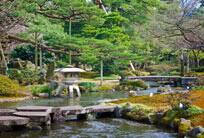
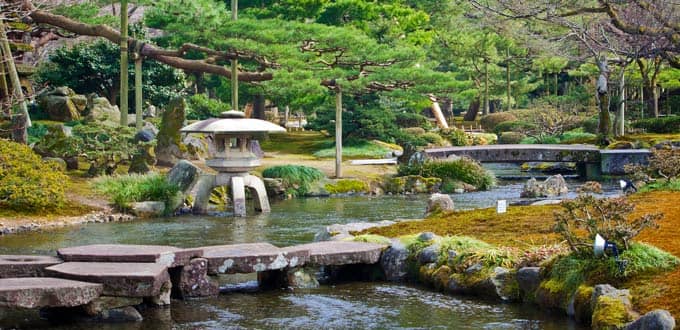
Gain a remarkably comprehensive understanding of Kanazawa through a wide diversity of attractions, beginning with the Omicho Market. Established in 1721, Omicho is the city’s largest and surely liveliest market with nearly 200 shops selling everything from seafood to flowers to confections. Best of all, many of the stores offer samples. The atmosphere will be more serene at Kenrokuen, an oasis that was once the outer gardens of Kanazawa Castle. It is a magnificent setting no matter what the season as you will discover while strolling the meticulously landscaped grounds. For a glimpse into modern Kanazawa, you will browse the 21st Century Museum of Contemporary Art, an architectural masterpiece of minimalism that is as provocative as the artwork inside. Higashi Chaya is the city’s largest district of teahouses where geishas performed songs and dances. Although some of the teahouses are still active, the majority of them have been converted into fine restaurants and coffee shops.
HIGHLIGHTS
• See Kanazawa’s most quintessential attractions, including the vibrant Omicho Market.
• Stroll through the serene gardens that surround historical Kanazawa Castle.
• Browse a museum of contemporary art for a glimpse into modern Kanazawa.
• Explore a district full of teahouses where geishas performed songs and dances.
HELPFUL HINTS
• Dress in weather-appropriate clothing.
• Wear flat comfortable walking shoes.
Duration 3 1/2 hrs
Sabah is the second largest state in Malaysia, located on the northern tip of Borneo Island and one of Southeast Asia's greatest surprises.
This half-day tour will introduce you to Kota Kinabalu, Sabah's modern state capital with its alluring blend of Malay and Chinese culture. Largely destroyed during World War II, Kota Kinabalu has since developed into one of Malaysia's most exciting cities. Go past the serene City Mosque, followed by a photo stop at the Tun Mustapha Building. A 30-storey circular glass edifice supported by high tensile steel rods, this amazing structure is an architectural and engineering feat, one of only four such buildings in the world.
Continuing on, you will visit the Skull House - Heritage Village, located within the compound of the Sabah State Museum. Situated within the Ethno Botanical Gardens, you’ll find replicas of traditional long houses representing the different ethnic communities of Sabah. Enter the houses and discover the way of life of the different groups.
From here, it's on to the magnificent Masjid Negeri Sabah or State Mosque, with its golden inlay motifs and impressive minaret. After a photo stop here, you will then make your way to your final stop, a brief visit to a local handicraft market where you can mingle with the locals and perhaps pick up a few souvenirs to take home.
Duration 3 1/2 hrs
OVERVIEW
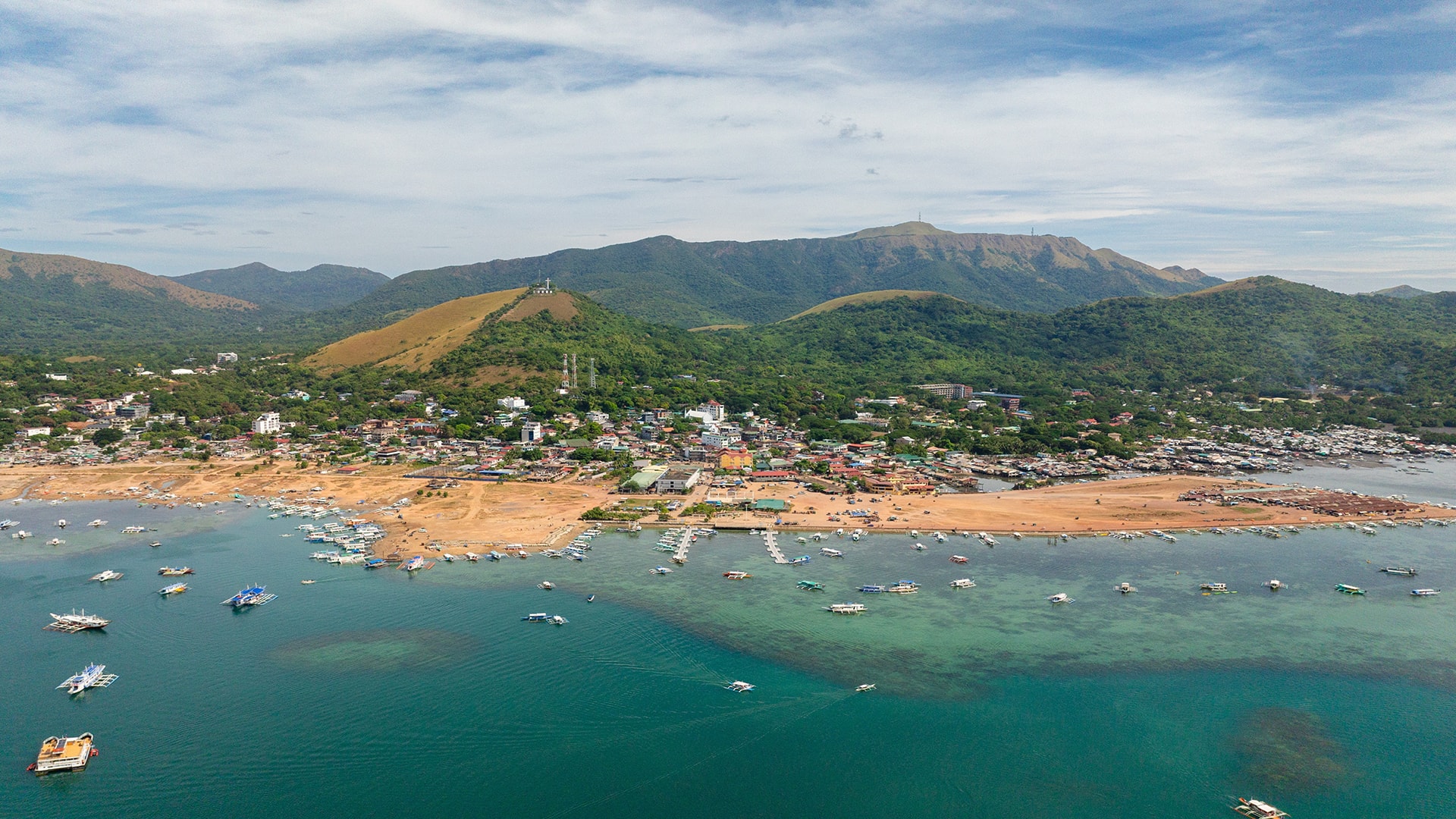
Explore the main attractions in and around Coron beginning with an enlightening drive through the heart of downtown. There, you will see Coron’s only Catholic church, waterfront Lualhati Park and the Wet Market, where you will observe a genuine slice of daily life as the residents go about their shopping. A stop at a family-owned cashew store will reveal how these prized nuts are processed. In essence, once the acidic shells are removed, the cashews are toasted, sun-dried, sugar-coated or flavored with garlic powder. Maquinit Hot Spring, the only saltwater hot spring in the Philippines, lies just outside the city limits. You will have the chance to ease into the therapeutic spring and enjoy its soothing mineral-rich water. The mangrove forest that serves as a scenic backdrop will make the experience all the more delightful. Later, while visiting a fishing village, you might strike up a conversation with the residents and learn about their livelihoods.
HIGHLIGHTS
• View Coron’s landmark attractions on a panoramic drive through the downtown.
• See how cashews are processed and flavored at a family-owned store.
• Ease into a mineral-rich saltwater hot spring and enjoy its therapeutic benefits.
• Interact with the residents of a fishing village on the outskirts of Coron.
HELPFUL HINTS
• Dress in weather-appropriate clothing with a swimsuit underneath.
• Bring sunscreen and a towel and wear comfortable walking shoes.
Duration 4 hrs
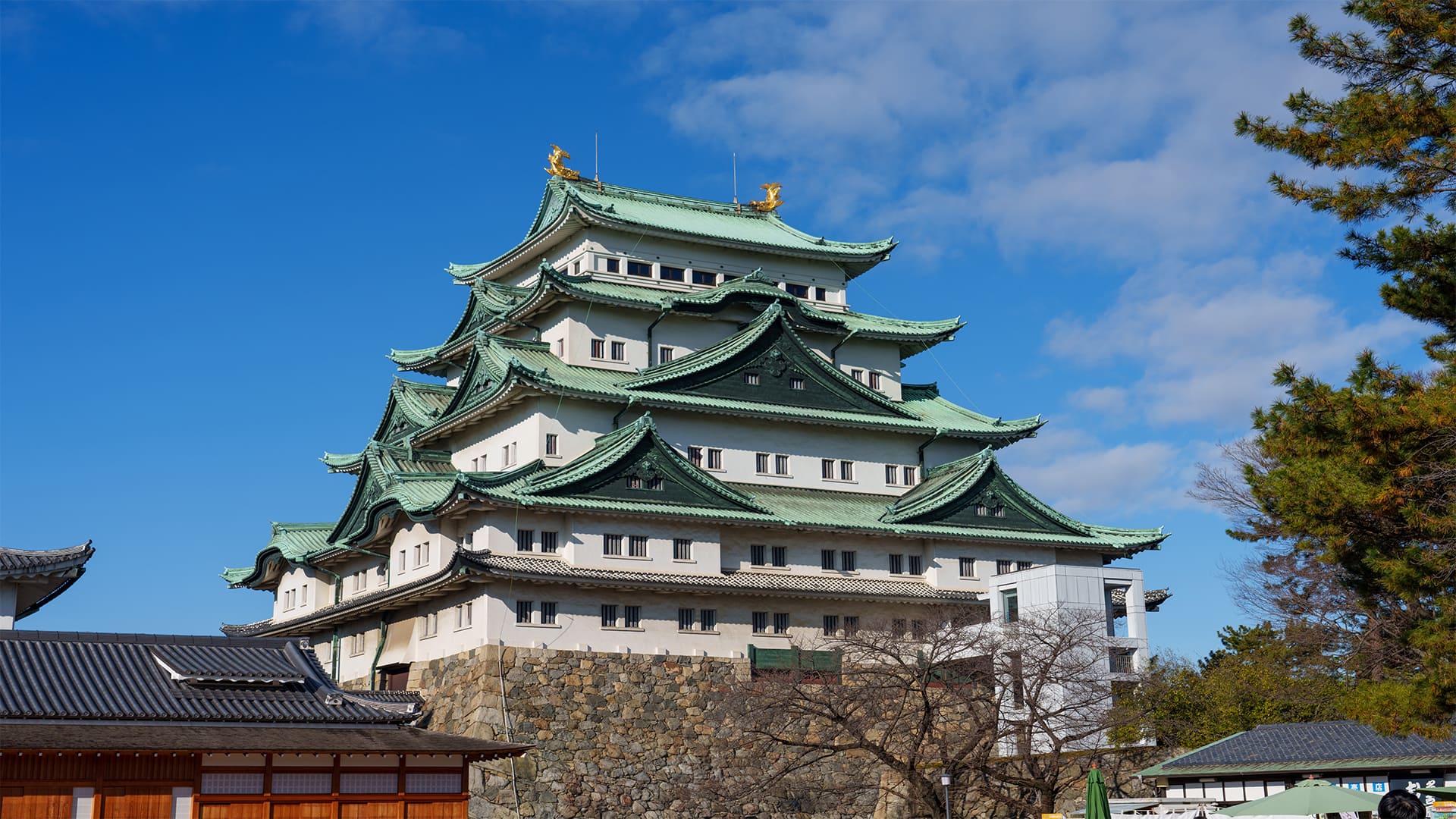
Visit Nagoya’s iconic namesake castle and an ornate temple dedicated to Kannon, the goddess of mercy. Ieyasu Tokugawa, the first shogun of the Edo Period, ordered the castle’s construction in 1612 to secure the strategically important Tokaido Road. One of the largest castles in Japan, most of its buildings were destroyed during World War II. It was later meticulously reconstructed to resemble the original building, and as you will see it is magnificent. Tokugawa was also instrumental in the placement of Osu Kannon Temple, as he had it moved to its present location in the early 17th century.
As beautiful as the building is, the temple is more well known for its library of 15,000 Japanese and Chinese texts, the most valuable being the oldest handwritten copy of Japan’s early history. You will also have the chance to shop in a nearby arcade, where you will find merchandise ranging from exquisite kimonos to the latest electronics.
Duration 4 hrs
OVERVIEW
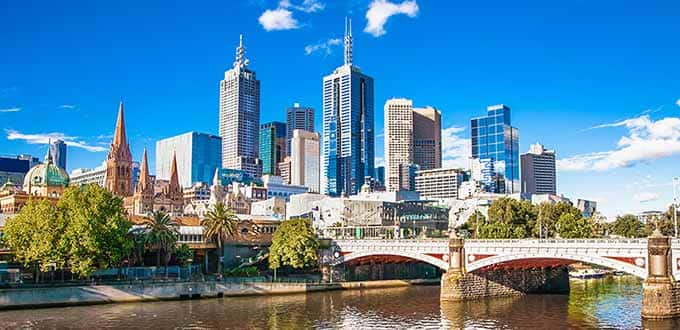
Sit back and enjoy this panoramic orientation drive through Australia’s ‘most livable city.’ It’s vibrant, multi-cultural, sporting, fashionable, food-and-culture-loving and the capital of Victoria – and all that’s just for starters. You’ll visit the bayside suburb of St. Kilda, with its lovely beaches, Esplanade and hopping café scene. See the F1 Grand Prix circuit wrapping around Albert Park Lake, and stop for photos at the landmark Shrine of Remembrance War memorial, maybe strolling across to the Royal Botanic Gardens’ gift shop. Drive past the Rod Laver Tennis Center, where the Australian Open is played each January, and the Melbourne Cricket Ground made famous as the venue for the 1956 Olympic Games, now home to thundering Aussie Rules Football and stadium concert crowds. In the heart of the city’s historic and governmental quarter, see The Treasury, Parliament House, the Windsor Hotel, Princess Theatre and the impressive Gothic buildings that line Collins Street. And travel through the Carlton district, where the rococo Royal Exhibition Building stands alongside the ultramodern Melbourne Museum. Throughout the drive, your professional guide’s commentary will bring the city’s history and backstories to life.
HIGHLIGHTS
• Enjoy a panoramic introduction to Melbourne, seeing the top sights and learning about their history.
• See everything from the beachside Esplanade in St. Kilda to the ornate Princess Theater built in 1854.
• Pass sporting icons like the Rod Laver Tennis Center, the Melbourne Cricket Ground and the lakeside Formula One race circuit in Albert Park.
• Visit the colonnaded Shrine of Remembrance, War memorial.
HELPFUL HINTS
• Wear casual, weather-appropriate clothing.
• Flat, comfortable walking shoes are recommended.
• Bring a hat, sunglasses and sunscreen as needed.
Duration 3 1/2 hrs
Visit two of the must see spots in Nagasaki with vivid reminders of the continuous threat of nuclear destruction.
Shaped like an amphitheater, with crooked streets and tiered houses clinging to the hillsides, Nagasaki is one of Japans most charming cities. Nagasaki natural beauty includes tempting hot spring resorts and the astounding presence of active volcanoes. At first glance, the city appears to be very modern, having been rebuilt since 1945. However, your drive through the city will reveal a number of areas where old buildings, secluded gardens and temples remain.
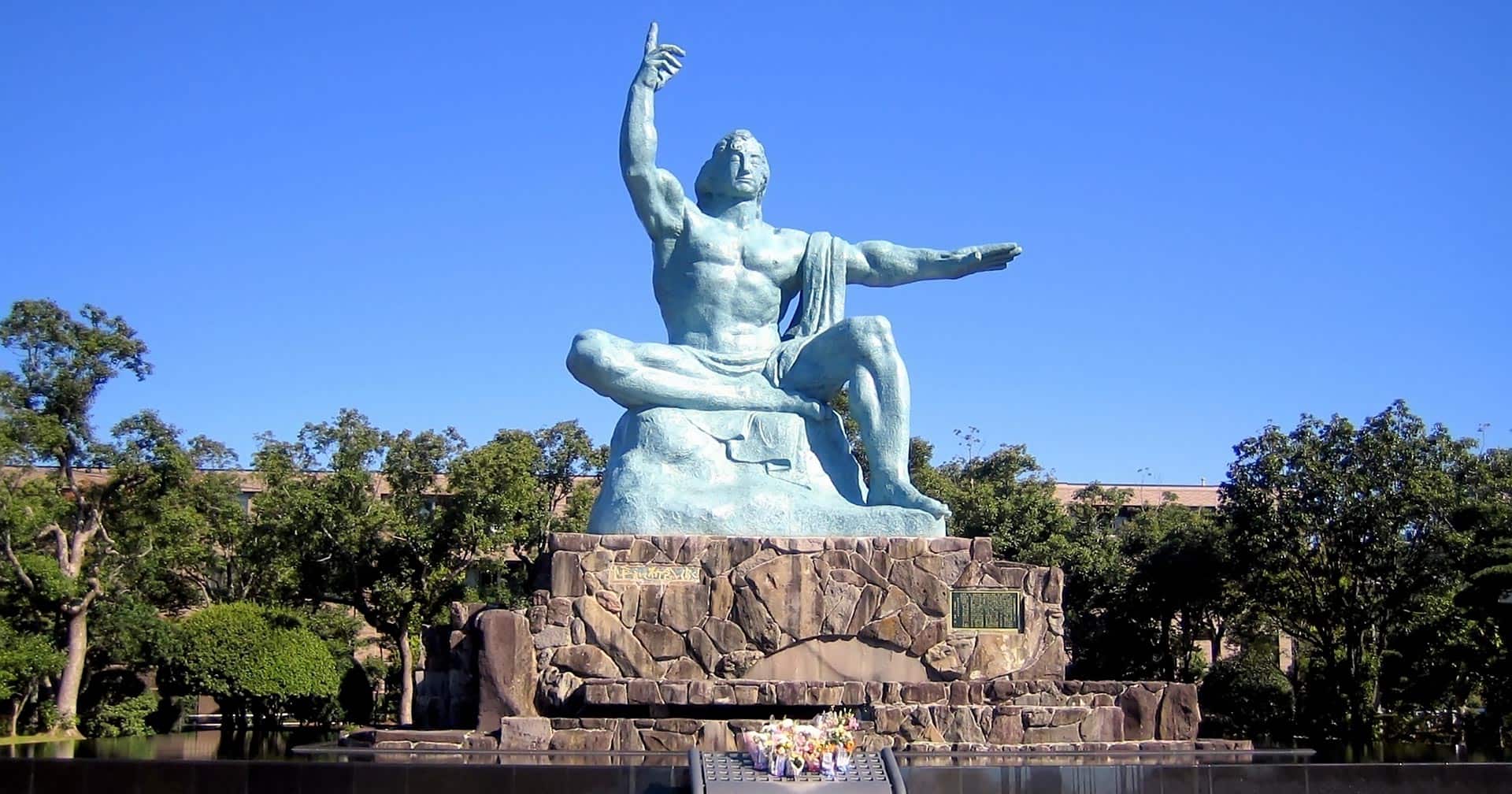
Visit Nagasaki’s Peace Park, commemorating the city’s destruction by the plutonium bomb dropped on August 9, 1945. Although Fat Man, the name given to the second bomb dropped on Japan, missed its target by over a mile and a half, it leveled nearly half the city. The park’s main attraction is its collection of statues and sculptures donated by countries and groups all over the world. This includes the massive Peace Memorial Statue depicting a man with his right arm pointing to the sky to indicate the continued threat of nuclear destruction.
You’ll also visit the Atomic Bomb Museum, with over 900 artifacts indicative of the city’s devastation, as well as displays on modern nuclear technology and concerns. As you browse the displays, you will learn about the city’s culture before the bomb struck and the aftermath of the atomic blast. You can expect to see photographs of the widespread destruction to buildings such as the Urakami Cathedral and neighborhoods that were reduced to ruins. The museum’s goal is to candidly show the devastation from the atomic bomb in hopes that nuclear weapons will eventually be abolished.
Duration 1 1/2 hrs
OVERVIEW
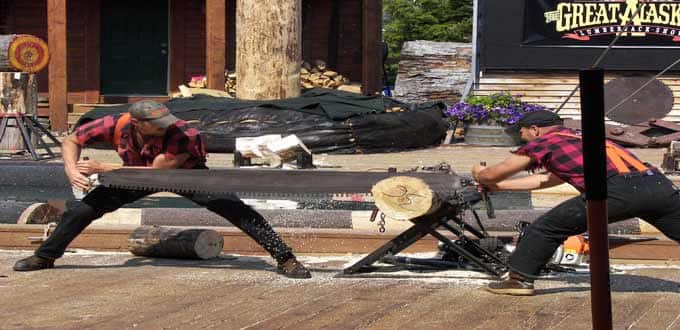
Watch Alaska’s lumberjacks battle British Columbia’s premier woodsmen in an axe-wielding, chainsaw-cutting competition to determine who will claim the title “Bull of the Woods.” You will see the mighty lumberjacks test their prodigious strength and agility in more than a dozen events that include chopping, sawing, speed climbing and log rolling. The entertaining events recognize Alaska’s rich logging history, and these world-class athletes do justice to that proud past. Many of them have competed in these sorts of lumberjack events on ESPN, so you can imagine the level of their skills. The competitors encourage rowdy crowds, so feel free to cheer as loudly as you want for the next Paul Bunyan to be.
HIGHLIGHTS
• Watch lumberjacks go head-to-head in a fun-filled competition.
• See highly entertaining events like pole climbing and log rolling.
HELPFUL HINTS
• Dress in weather-appropriate clothing.
• Wear flat comfortable walking shoes.
Duration 8 1/2 hrs
Discover the gracious spirit of Old Japan on this full-day tour to three of Kyoto's most alluring sites. The imperial capital of Japan for over a thousand years, Kyoto is the cultural and artistic heart of the nation, best known for its Buddhist temples, Shinto shrines, beautiful gardens and historically priceless buildings.
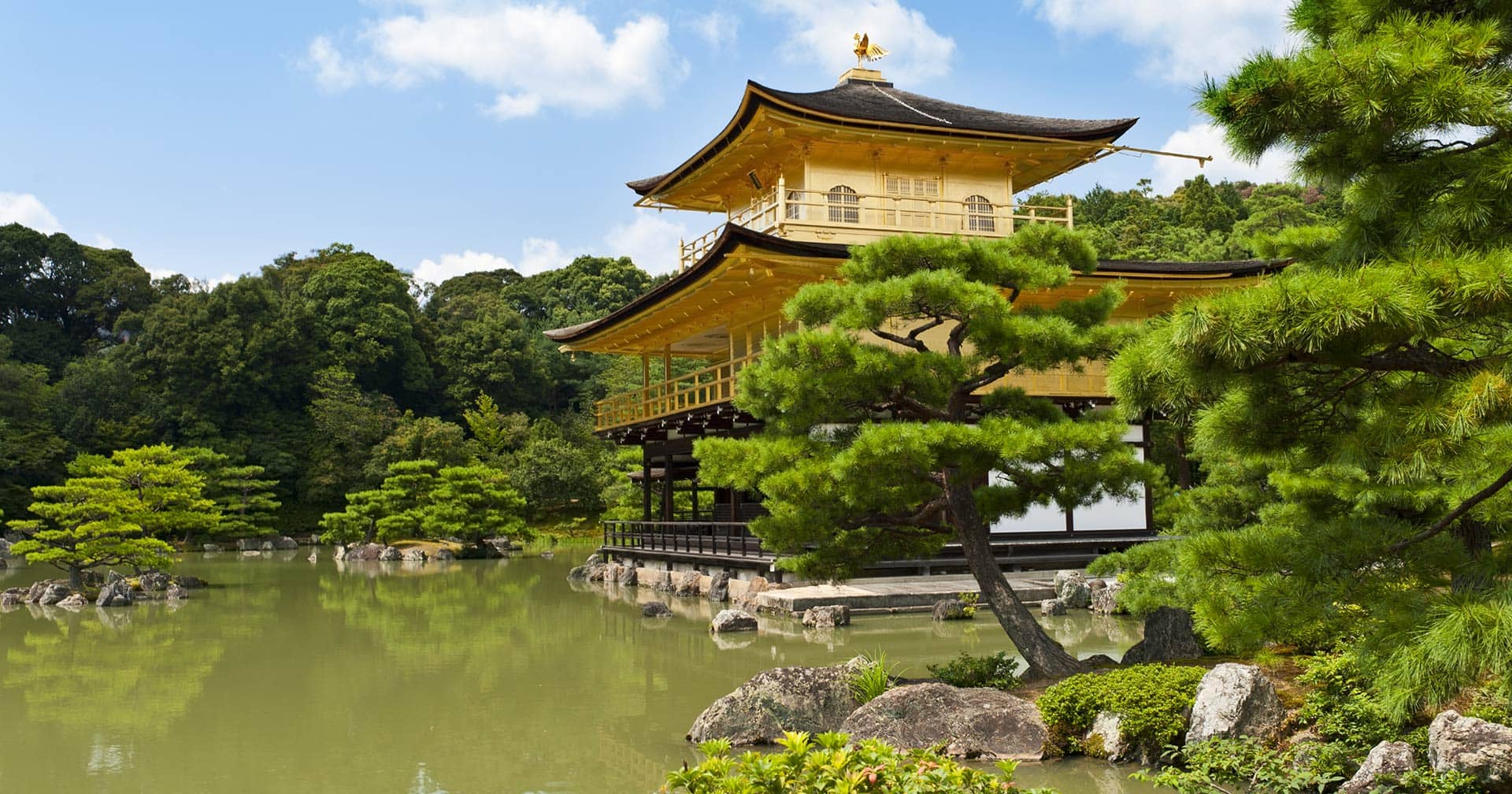
Following an approximately 90-minute scenic drive to Kyoto, you arrive at the magnificent Kinkakuji (Golden Pavilion), Kyoto's world-renowned and most photographed temple and garden. Built in 1394, the original Kinkakuji was a retirement villa for a former Shogun. The three-story Chinese-influenced Golden Pavilion has delicately curving roofs, with the walls and eaves of the second and third stories covered in shimmering gold leaf.
After lunch at a local restaurant, you'll visit Nijo Castle, with its immense walls and moat. Completed in 1603, the castle is famous for its nightingale floors, designed to detect the footsteps of ninja assassins and warn the residents of invaders. Listed as a UNESCO World Heritage Site, Nijo Castle is one of the world's great historical buildings.
Another stop in your tour is Sanjusangendo, famous for its 1,001 12th-century statues of the Buddhist deity Kannon, the Goddess of Mercy. Sanjusangendo translates to hall with 33 bays and the 33 alcoves display 1,000 awe-inspiring statues and a single gigantic sitting image of Kannon. Carved from Japanese cypress and painted with gold leaf, each of the multi-armed figures stands five and a half feet tall, and has subtle differences in expression and accoutrements, testimony to the skill and originality of the Momoyama wood carvers.
Duration 4 hrs
Witness the breathtaking scenery from the decks of an iron boat. Gliding through the gin-clear waters of the bay, absorb one of the most magnificent natural splendors of the Far East. Arriving to the pier in Ha long city, begin your fascinating cruise through Ha Long Bay, one of the world's outstanding natural wonders, resembling a geographic work of art with thousands of limestone islets soaring dramatically from the clear emerald waters. This densely concentrated zone of kharst islands, world famous for its spectacular scenery of grottoes and caves, is a UNESCO World Heritage Site. See tiny islands dotted with rock arches, sheer cliffs, innumerable white sand beaches and peaceful coves. Like sculpted cartoon characters, these limestone islands have fanciful names: Heavenly Gate, Tortoise Rock, Man Head Rock, The Isle of Wonders, Tea Pot Rock and Devil's Face. A stop is made at impressive Thien Cung Cave, with a chance to climb up. Continue to enjoy this relaxing cruise through the stunning landscape.
*Prices vary by ship and sail date. See Terms & Conditions
NCL makes arrangements for Guests for shore excursions solely for the convenience of the Guest; NCL does not act on behalf of or supervise the parties or persons who own, furnish, or operate such excursions, and the same are provided by independent contractors. NCL assumes no responsibility for, nor guarantees the performance of, any such excursion provider, and Guests acknowledge that NCL shall not be liable for losses or injuries arising from the acts or omissions of such provider.
Participation in activities and excursions may involve physical exertion, and may be potentially hazardous or dangerous. It is the responsibility of each individual to determine whether you are capable of engaging in any activity. Participation in any activity or excursion is at your own risk.
Photographs are for illustration purposes only used to represent the excursion experience and may not accurately depict the excursion, location, or activity indicated.
Our group shore excursions are offered in English. Depending on the booking situation, various excursions are also offered in German, Spanish, French, Italian or Russian (minimum number of 30 participants). The tours offered may vary from cruise to cruise. Please see the detailed information for your shore excursion on board.